Tony “Mr. Wave” Wesely’s Transition to Preserving Hip Hop History on Film
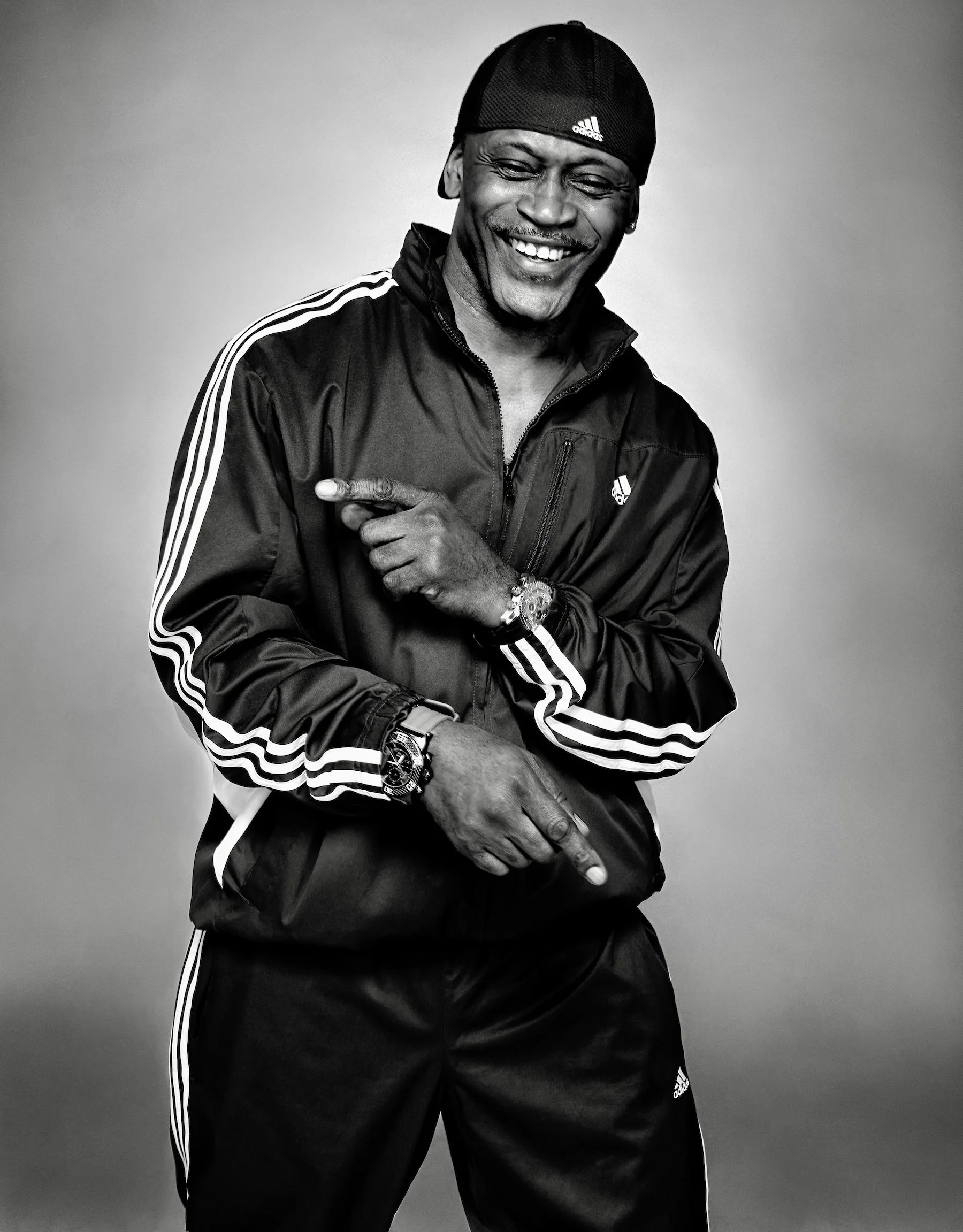
Photo courtsey Tony “Mr. Wave” Wesely
Legendary breakdancer and member of the iconic Original New York City Breakers, Tony “Mr. Wave” Wesley isn’t just a well-regarded name in Hip Hop, he’s part of its foundational roots. As a someone who was there before and after Hip Hop changed the world, he helped elevate street dance from the underground to international stages. Most notably with his role in “Beat Street”, which is widely regarded as one of the most important Hip Hop films ever made.
His evolution from breakin’ in the Bronx to being the visionary and heartbeat behind Reel Sung Productions has been as intentional as it is inspiring. Through his company, Mr. Wave is committed to championing Hip Hop culture through/with/via storytelling that amplifies the culture’s pioneers while inspiring new generations. With multiple non-scripted TV series and documentaries to his credit, he ensures each project stays rooted in the culture by highlighting the voices, pioneers, and overlooked legends that are regularly left out of the mainstream narrative.
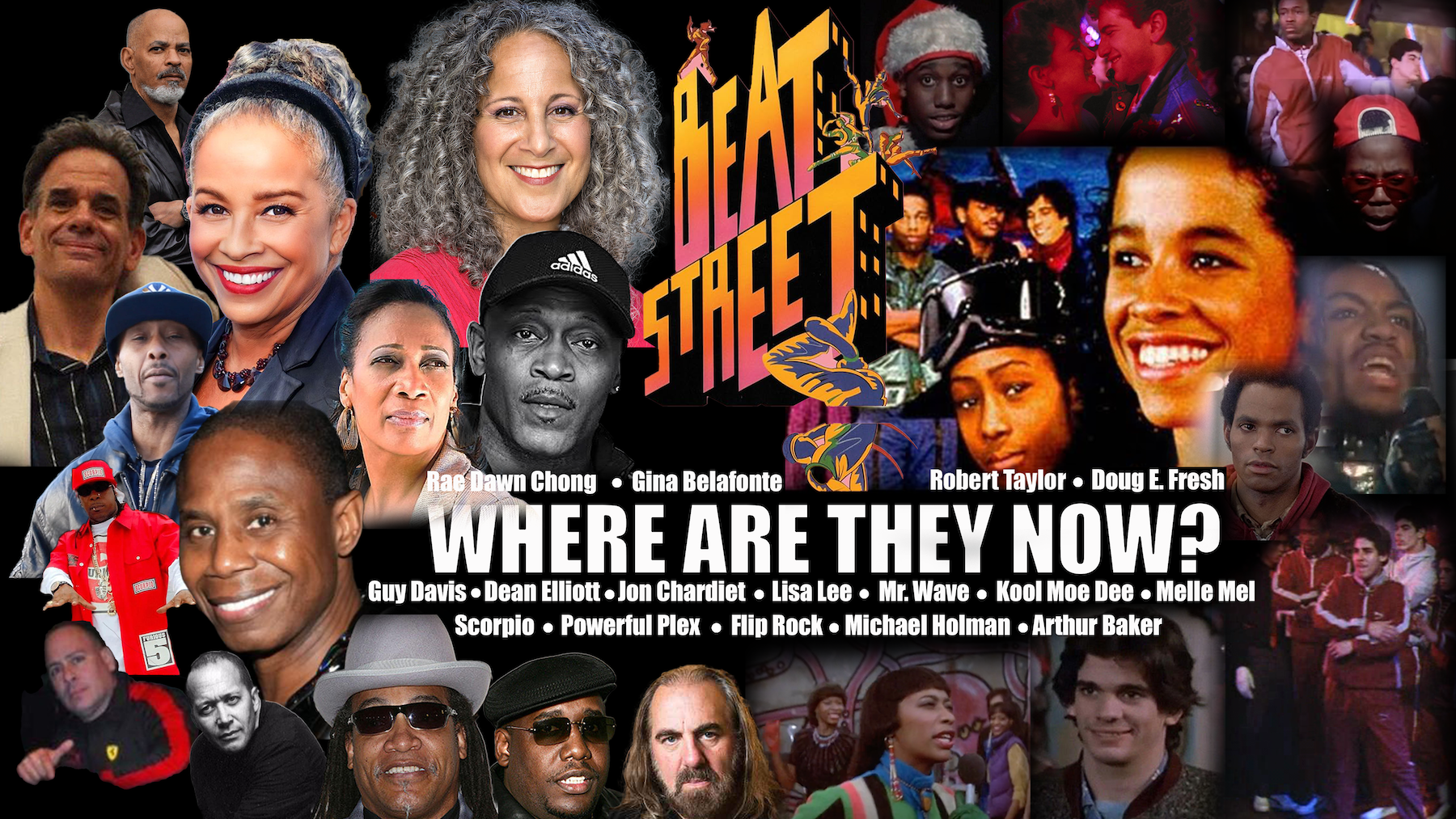
We recently had the honor of speaking with Mr. Wave, around the release of his new docuseries, “Beat Street: Where Are They Now?”, which brings together all 19 cast members for the first time in years. Read below as he gives insight on his transition from dance to film, why Hip Hop is still in its incubation period, “Beat Street 40,” the musical, and what exactly gets him Hype Off Life.
Congratulations on your upcoming new docuseries! How are you feeling about it?
I feel that it was necessary. I think we, as a culture, as well as the rest of the world, who were not part of Hip Hop and our culture, have to remember what it was like back then. First, let's talk about the release itself. What it does is allow people to go back to when they were 12, 18, or 25 years old, when they saw that movie hit that screen and explode the way it did, and then eventually go global.
It was the first film in theaters to feature all the elements of Hip Hop. The fifth element, I give to Harry [Belafonte] because he was a catalyst. I give the knowledge and the ability to move crosstown in Manhattan into the Uptown Bronx and make it work for film.
“Beat Street” is an important piece of Hip Hop history, and it played a huge part in exposing Hip Hop to the world, as you said. What was your firsthand experience during the creation of the original film?
Well, it was amazing because of how I came into the spotlight of the culture. We were spotlighted in the door. We were actually coming from dancing at the Kennedy Center Honors. While we were on the plane, we got the call. We [New York City Breakers] had already been doing big things, and they said that Harry Belafonte wanted us in this film. He wanted to see us have a private dance, so he could see what we knew how to do.
When we got to the Roxy, everyone was in awe because no one had ever seen that many poppers, lockers, and B-boys breakin’. No one had ever seen that many rappers, DJs, singers, and actors. We had never seen the Roxy that full.
So, they escorted us into the Roxy and to the back of the stage. There was this big, giant red curtain that used to cut the Roxy in half. Then, they opened that curtain, and we went back there. Harry thanked us for being there and said it was an honor. He said we would be in the movie and asked if we could just dance for him. Which we did, and it was explosive. But every day after that was explosive when we went there.
I’ve watched the movie a couple of times. I’m always in awe of all the breakdancing and everything. It's really dope. How was life for you after the release of the movie?
Can you spell superstar? After the movie's release, two things happened. One, we saw the release premiere. Harry took a couple of the groups out to tour. So, we were in France at the Cannes Film Festival. That's where it premiered. It was Rock Steady Crew. It was the New York City Breakers. It was Us Girls, I believe, and it was Soul Sonic Force, and it might've been more.
We went out there, we sat there, and we saw it when we made it back home. But that was not our crowd. It was not the movement. Breakin’ hadn't made it there yet. So, it was not as exciting there. It was kind of somber because it was a high-end hotel, and that's what they were on.
But when we got back home and went into our neighborhoods, it was bananas. My brother is still a little upset with me today because, wherever I went, the kids would ask me to dance and crowd around me. We were the Michael Jacksons and the Jackson 5’s of the 80’s after that film.
As someone who's been there with Hip Hop since it started, how has it been witnessing Hip Hop’s evolution from its inception until now?
Well, there are a lot of things to talk about. We can talk about the incubation period that we are still living in, when people say evolution, and where we are now. I was teaching a class at Pace University. The class was based on Hip Hop heads and dancers. There were also ballet dancers and just different artists. This young lady opened my eyes when she said, "You do understand that you all guys are in your 50th year of this culture." But most genres and most dance styles are 150 years old.
That gave me a whole different perspective. It made me realize that evolution is young and will continue, but it's different. So, when you talk about the beginning, and you talk about the Sha-Rock, and the MCs, and Melle Mel, and the Furious Five, and T La Rock and “It's Yours,” Special K, and Treacherous Three, they were all B-boys. They were all dancers, and they just had to find a different niche.
The biggest difference between the 40 years, 50 years removed, and today is that this is not totally Hip Hop. This is one part of a culture. Please quote that for me. This is one part of the elements. The culture was built on four elements, five elements. Possibly 10 elements, if you throw in dress code, beatbox, and so on. The initial four elements were so dope that everybody tried, sampled, and performed three to four of those elements.
When I say that, I mean that I can MC. I have a record that came out in ’86 called “Mr. Wave - The King.” I’ll quote a bit for you, “I dance, I sing. Joy is what I bring. When it comes to the boogie, I'm known as the king to satisfy your desires, which is why I'm here. I put joy in your heart and eliminate fear.”
I was also able to hear music and DJ. So, all of the MCs were B-boys and DJs. In today's culture, the B-boys are B-boys, the MC is an MC, and the DJs are DJs. So, the culture has shrunk not to the demise, but to the benefit.
I'm going to say it was good that it shrank. I'm saying it's easier to market one of the elements. And so you have a multi-trillion-dollar industry for one of the elements. Did it get greater? Is it more popular? Is it stronger? Is it universal? Hell yeah, it is.
Another difference is that when we were coming up, we had the 8-track tape. We had no technology. We had power through word of mouth and power through moves, and no buying. We had style before power. Now it's power before style. I can see that morphing and starting to change now. So, those are the things that differentiate the four generations.
“I didn’t consider us legends; we were just some guys who had great opportunities and inspired people. But that does mean legend. ”
OK, that's very interesting to hear. So, fast-forward to today, and you now run Reel Sung Productions, which also produces important pieces of art for the Hip Hop community. What inspired you to get into storytelling?
I moved out of New York in 1991 and to Chicago. My mom moved here, and New York was not a place for any of us in the early 90’s because it had almost lost its culture, at least in New York City. Rappers were making it, but the elements were kind of dissolving right around us.
All these kids needed jobs and a way to make a living. I thought New York was overcrowded, overpopulated, and they were raping us as far as the economy was concerned. So, I always had that thought process.
When I moved to Chicago, maybe so many years ago, I was living with my fiancé at the time, and I didn't have Facebook. It was 2013, and I saw an article or blog someone posted, “Hey, I just walked out of the bodega, and I see Mr. Wave sitting on the ground in an Indian stance begging for money.”
So, I went on the Graffiti Rock fan page, and we had a million hits and maybe 400,000 comments. We did a show with Michael Holman, called Graffiti Rock in the 80’s. So, I was just going through the comments and that's what I read. I responded to it. Then, I called Powerful Pexster, one of the New York City Breakers, who was in Puerto Rico and said, “I have to come back because this is not true.” There are rumors about my situation and that I fell into the life of drugs. So, that brought me back into the culture in 2013.
The first show I did was in Miami. It was a showcase for a B-boy contest. I started a Facebook page, and the moment I got back home, I saw three different people who inboxed me, asking me to tell my story. They wanted to do a documentary about me.
At that time, I said I'm not going to do anything. I'm distrustful of social media. I wasn't really a social media person. My wife, my fiancé at the time, said, “No, you do this one, with Brian Bullock.” She liked this guy because of his ask. I was supposed to be in the documentary about three legends. It was called “Legends,” and it was supposed to be Newcleus, Chubb Rock, and Mr. Wave.
So, we drove to Maryland for a wedding, and I stopped by his house to do my interview. I was supposed to have 8 minutes with him, which turned into a partnership, and him doing my whole story. It came out, and it's called “Wave: A True Story in Hip Hop.”
At the time I had the chance to work with him, he only had a Canon and an iPhone. We didn't have any equipment. He was an up-and-coming producer, and I liked him, so I dumped for him. I kind of gave my feelings to him. I was also inspired because I was sad. But I had all these feelings blocked. I just had them all locked away somewhere, and he could not believe what I was going through during that interview.
We had to cut the cameras off several times because my life has been in turmoil. That gave me the idea, and we went back and forth about what the title should be. He wanted to do a story about legends. I didn't consider us legends; we were just some guys who had great opportunities and inspired people. But that does mean legend.
So, I wanted to name my documentary “Wave: A True Story in Hip Hop.” I co-produced it with Brian Bullock. While we were doing all the interviews, he came to me and said, “Wave, I'm watching you, and you don't need me after this. You could do this yourself.” He said, “What they're telling you, what you're getting out of them in such a short time, I've never seen this before in my career.” And that sentiment has followed me all the way through today.
With that being said, I created a series called “Reel Sung Productions” with the production company. I needed a spinoff. My spinoff was “You Can't Erase Me.” The reason for “You Can't Erase Me” is technology, which we’ve been discussing. Also, because of the times, because of people getting old, and people who are on drugs and dying off. Those stories are being lost. They're not documented anywhere. Those truths are being lost because so many of us have not sat in front of a viable interviewer from the culture and explained our ways.
Then it got documented, and I realized it would end up on the cutting-room floor because the person producing it and the director have someone they're getting the money from. So, I started Reel Sung with partners, and we funded the whole thing. When we funded it, I came up with “You Can't Erase Me” and started telling stories about 1st- and 2nd-generation legends.
We have to date ten of those documentary stories available [that] I have not released. I've turned down quite a few contracts because they don't want to pay you what you're worth or see it as they should until they own it. I knew it would be a hard fight, but “You Can't Erase Me” spawned off “Beat Street: Where Are They Now?” So, those are two separate series.
“We had style before power. Now it’s power before style.”
Why do you feel now is the perfect time to tell “Beat Street”'s story?
I finished my series for “You Can't Erase Me,” and I always wanted to give the world more because of the fanbase. The millions of people who want to know what was on the cutting-room floor, what was said, and how the relationships were.
The upside of this is that we're all together. There are 19 of us in “Beat Street: Where Are They Now?” Nineteen of the original cast are in the series. That's the upside. The downside is that for 40 years after the movie, we went our separate ways, and no one ever met up again to have any interviews on any platform for “Beat Street.” It was just Harry doing it. So, Harry spoke on “Beat Street” with David Picker, and whoever he wanted next to him for all those years. We never got together as a team, as a group, to answer the questions that fans have for us. So, I decided to do this.
Another reason I decided to do it was that we had just announced that Michael Holman, the manager of the New York City Breakers, had teamed up with Arthur Baker to produce “Beat Street 40,” the musical. So, “Beat Street” is going to be a musical. It’s going to be 2 to 3 years before that release.
I was talking to Nas because Nas signed on as the producer of “Beat Street: Where Are They Now?”. I had a conversation with Nas because Nas is an admirer of the movie. It’s his No. 1 movie ever. He said, and you can quote me on this, he really appreciated Mr. Wave so much that he wanted to be in the series. You see part of my interview with him in the trailer.
So, I decided to let the world know why they watch this movie every holiday. Why have they watched it 10, 20, and 30 times? Let them have some more. Let's give them something, because they've given us 40 years of appreciation.
What was your favorite part of filming the docuseries, or the most surprising thing you learned while filming it?
I’ve got to say it was a pleasure having Nas there. It was a pleasure having DJ Toomp and producer Yoda from Atlanta, too. It was a pleasure getting other people on board. But when I sat down with Melle Mel and had a conversation, that was not about Mr. Wave or about Melle Mel. It was about Mel being what he meant to our culture, and about what I meant to his future. When Mel asked me, “Why can't you be our Tyler Perry?”, it melted my heart. He said, “You've been there. Why can't we have our own Tyler Perry?” And it just blew me. So, there's nothing that can top that.
I told him in that same conversation that some of us are chosen: “Mel, you have been chosen. You are our Liberace. You are our Elvis Presley. You are the culture.” That moment between us will probably never die. And that was during the interview. Just for the record, I’ve interviewed everybody in all of my documentaries. So, I am the person that they're talking to. I'm the interviewer.
Your company is committed to storytelling that amplifies the culture's pioneers while inspiring new generations, which is also very important work. In what ways have you seen its impact on fans who may not fully understand how deep Hip Hop's roots go?
I've seen it in many different ways, but mostly emotionally. I draw a lot of tears in my art stories, but that's raw emotion. The difference between me and you and me, and anybody that would sit down to do an interview is with me, is that I have a mental connection with them. Fans get to see this connection rooted in my history, and the fact that I have formed a company that has produced 13 documentaries, 16 including the three-part “Beat Street: Where Are They Now?” series.
So, when Mel speaks, when Lisa Lee speaks, when Jazzy Jay speaks, and Doug E. Fresh speaks, you feel it. It resonates. It moves you. When J.J. Fad speaks, when DJ Yella speaks, and Alonzo Williams of World Class Wreckin’ Cru, I shot all of them. When Mr. Cheeks speaks, they speak to me as if I'm their brother, and there's no difference. So, the younger generations get to see what truly happened, not a mask.
Speaking of that, why do you feel it's important now more than ever to keep Hip Hop's legacy alive through impactful art and storytelling?
More than ever, with what's going on in society, things are being erased. I'll tell you a short story about Kurtis Blow, who was waiting for his heart transplant. No one had been in Kurtis's house for 6 months. But Kurtis and his wife let my team and me use the house for an interview with Sparky D for her “You Can’t Erase Me” episode.
For a new generation, it's important that they know where they come from, where they're at, and, most importantly, where they're going. What Reel Sung is doing is very important because people have been allowed to tell the stories in isolated formats. Meaning, the same person has been on the platform for 10 years telling his version of the culture, and that's just not enough. There were hundreds of thousands of us.
Culture is what saved most of our lives. When I say that, I don't necessarily mean death. I mean, it saved our lives from going to jail. There was no proper or real education. I only have a 7th-grade level education. But look what the culture did for me. Look how I'm speaking to you. I have a GED, and I'm not ashamed to say it.
I want people to know that I earned my double master's, my PhD. I'm living proof of what this could do for all the babies in Chicago, the babies down south in Philly that think because they've sold some drug or done some things wrong or fought someone or have a baby that your life is over. In most jobs, if you have a baby, your life is over.
I created a whole company with those charges. So, it's inspiring for people to know the story because my story is their story. Mel’s story is their story. Sparky’s story is their story. I sat down with real people, telling real stories that happen to be legends.
Most of y'all sit down with legends that are really people. So, when they sit down with me, because I've built this reputation that they're going to see their stories come across the screen, and it's going to be edited right, they are going to love them because I am them. I'm from that street, that hood. That hood could be in Philly; it's the same hood. So, there's not a lot of me in the industry, is what I'm saying. In my documentary, I said one thing when it ended, “I don't want to be a legend. I want to be legendary.”
“For a new generation, it’s important that they know where they come from, where they’re at, and, most importantly, where they’re going.”
I just have one more question for you, and that is what gets you Hype Off Life?
What gets me Hype Off Life? You can love me or hate me. People generally hate me first and love me because of the way I move around, the way I am, the way I've held my culture, my stance, my confidence, despite it all.
What gets me hype is the truth and the ability to tell the truth in its rawest form, with diplomacy. See, there are a lot of different ways to tell the truth. There's abruptness, there's discretion, and there's forcefulness. But there's also the kind of truth your pastor would tell you. The kind of truth that an executive tells you when you're doing great.
I don't draw the line. If you ask me the question, you're going to get the truth. That gets me hype off life because I'm a good guy. And if you hate me, it's not my fault. I love me, and if you hate me, you're probably going to miss out on something.
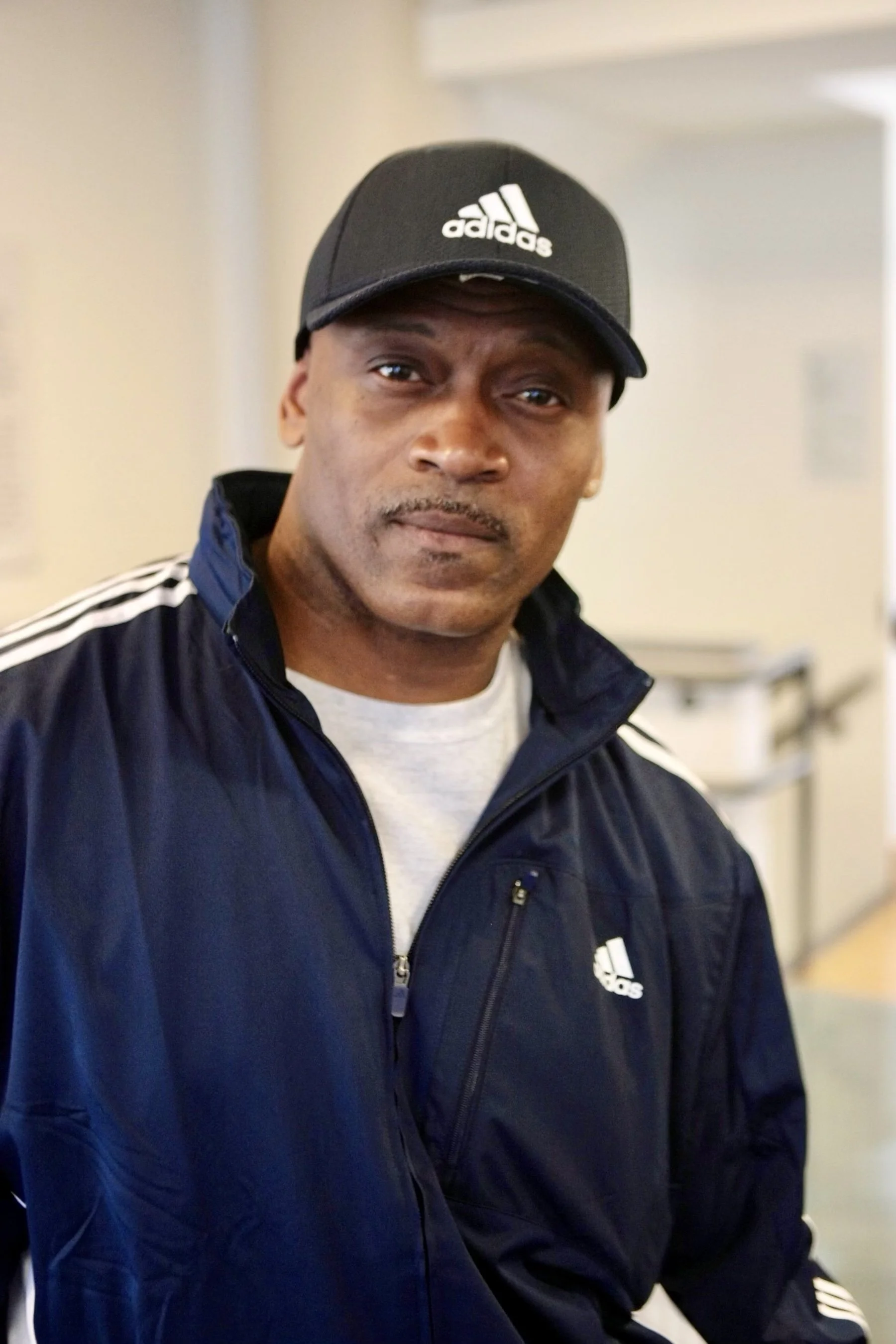
Photo courtsey Tony “Mr. Wave” Wesely